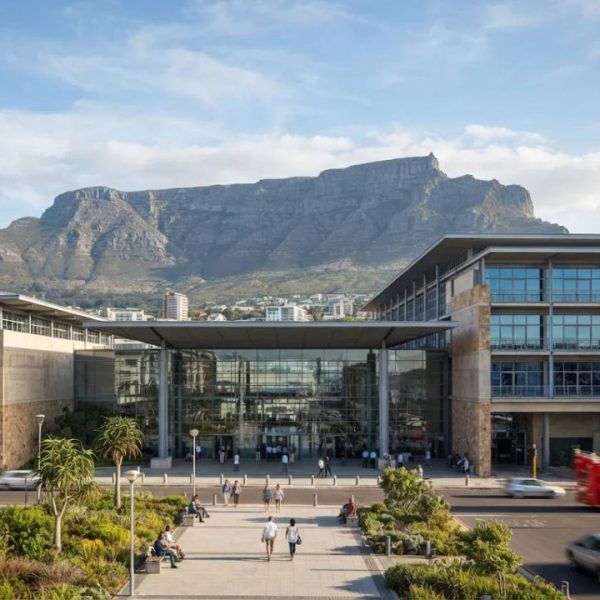
Conference Venues Across Africa for Memorable Events
- October 01, 2024· Article by David Brown
- travel , conference venues africa
Africa is one of the fastest-growing regions for meetings, conferences and exhibitions. Modern convention centres, lively cities, beautiful landscapes and increasingly direct flights make it an attractive choice for organizers who want something new. Choosing a venue in a continent of fifty-four countries takes research, though, and the best choice depends on audience, budget, season and logistics.
Why Africa Is Gaining Attention as a Meetings Destination
Cities such as Cape Town, Johannesburg, Nairobi, Kigali, Accra, Marrakech and Addis Ababa have invested in conference facilities, airports and hotels. Many offer English, French or Portuguese in business settings, and governments have supported event tourism.
Beyond the venues, delegates can add safaris, cultural tours and coastal breaks, which raises attendance and makes the trip memorable.
Types of Venues Across the Continent
International convention centres host thousands of delegates and offer large halls, breakout rooms and exhibition space. Hotels provide all-in-one meeting packages. Universities, museums and lodges offer unique settings for smaller groups.
The best venue is the one that fits your program, not the biggest one in the brochure, because empty halls feel flat and cramped rooms frustrate speakers and delegates alike.
Choosing a City
Think about the profile of your audience. Cape Town and Johannesburg offer mature infrastructure and many direct flights. Nairobi is a regional hub for East Africa, Kigali is known for efficiency and safety, and Marrakech and Cairo attract European and Middle Eastern visitors.
Compare flight connections, visa rules, hotel prices and the time zone for your delegates.
What to Check Before You Book
Ask about capacity, room layouts, audiovisual equipment, internet bandwidth, power backup, accessibility and catering. Visit the venue if possible or request a virtual tour.
Check whether staff can support multilingual events and what languages they speak. A detailed site inspection prevents surprises on the event day.
Visas, Health and Entry Requirements
Visa rules vary by country and nationality, and some countries offer electronic visas or visa-free access. Start the invitation letter process early and share clear guidance with delegates.
Check vaccination requirements, travel insurance and local health advice well before travel.
Transport and Local Logistics
Plan airport transfers, shuttle schedules and traffic. In large cities, rush hour can double travel times. Provide delegates with a simple guide that includes maps, emergency numbers and local tips.
Work with local destination management companies that know suppliers, permits and regulations.
Language Services and Cultural Considerations
Many events in Africa operate in English, French, Portuguese, Arabic or Swahili, and some require several at once. Interpretation booths, translated materials and bilingual hosts make delegates feel welcome. Event teams working with Francophone countries often use english to french translation services for programs and registration forms.
Our overview of choosing between an interpreter and a translator explains which professional you need for live sessions and which for written materials.
Safety and Security
Reputable venues have security staff, emergency plans and insurance. Check official travel advice, register delegates with their embassies when advisable and share local safety tips.
Most events run smoothly, and careful planning keeps it that way.
Budgeting and Value
Costs vary widely. Compare venue hire, catering, audiovisual services, transport and staffing. Negotiate packages and ask about off-season rates.
Currency fluctuations can affect prices, so agree on currency and payment terms early.
Sustainability and Local Impact
Choose suppliers that employ local people, reduce waste and respect the environment. Include local speakers, artists and food in your program.
Meetings that benefit host communities earn goodwill and often lead to repeat business.
Industry Resources
Professional bodies such as the International Congress and Convention Association publish destination data, rankings and research that help planners compare cities. National tourism boards and convention bureaus provide venue lists, sample budgets and support for bids.
Industry fairs are a good place to meet venue managers face to face.
Common Mistakes
Typical errors include underestimating travel time, ignoring visa lead times, relying on a single supplier and failing to confirm power backup.
Create checklists and appoint a local coordinator.
Final Thoughts
Venues across Africa offer exciting possibilities for conferences and events. Define your goals, choose a city that suits your audience, check details carefully and work with local experts.
The result can be an event that delegates talk about for years.
Planning the Delegate Experience
A good event is more than a program. Think about arrival, registration, wayfinding, meals, breaks and evenings. Offer local food, music and cultural activities that help delegates feel welcome and connected to the place.
Provide a mobile guide or event app with the schedule, maps, speaker details and emergency contacts. Clear information reduces stress for first-time visitors.
Working With Local Partners and Suppliers
Local suppliers know permit rules, preferred vendors and cultural customs. Build relationships with destination management companies, audiovisual providers and transport operators well before the event.
Agree on contracts, cancellation terms and contingency plans in writing, and keep a local contact available at all times during the event.
Case Study Thinking: Matching Venue to Event Type
A medical congress needs breakout rooms, poster areas and strong Wi-Fi. A product launch needs a dramatic main stage and flexible catering. A government summit prioritizes security, translation booths and protocol areas. Start from the experience you want delegates to have, then look for a venue that supports it.
Create a simple scoring table that rates each venue on capacity, access, services, cost and atmosphere so that decisions rest on shared criteria.
Accommodation, Meals and Local Cuisine
Group bookings can be arranged through convention bureaus or destination management companies. Offer a mix of hotel categories to suit different budgets. Include local dishes and dietary options in catering plans, and check food safety standards with the venue.
Meals are often the most memorable part of an event, so work with chefs who can showcase regional ingredients.
Technology, Power and Connectivity
Reliable power and internet are essential. Ask about generators, backup connections and technical staff. Test streaming equipment if sessions will be broadcast, and bring adapters for different plug types.
Provide delegates with clear instructions on how to connect to Wi-Fi and where to find charging points.
Post-Event Review and Reporting
After the event, collect feedback from delegates, speakers and suppliers. Compare costs and attendance with your plan, and write a short report with lessons learned. Share results with partners and host cities.
Good reviews help you improve the next event and make a stronger case for returning to a successful venue.